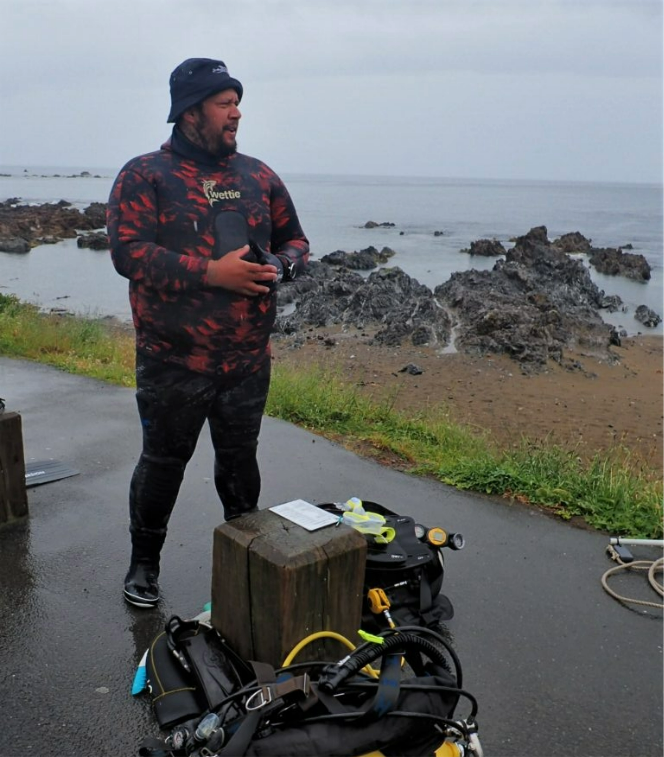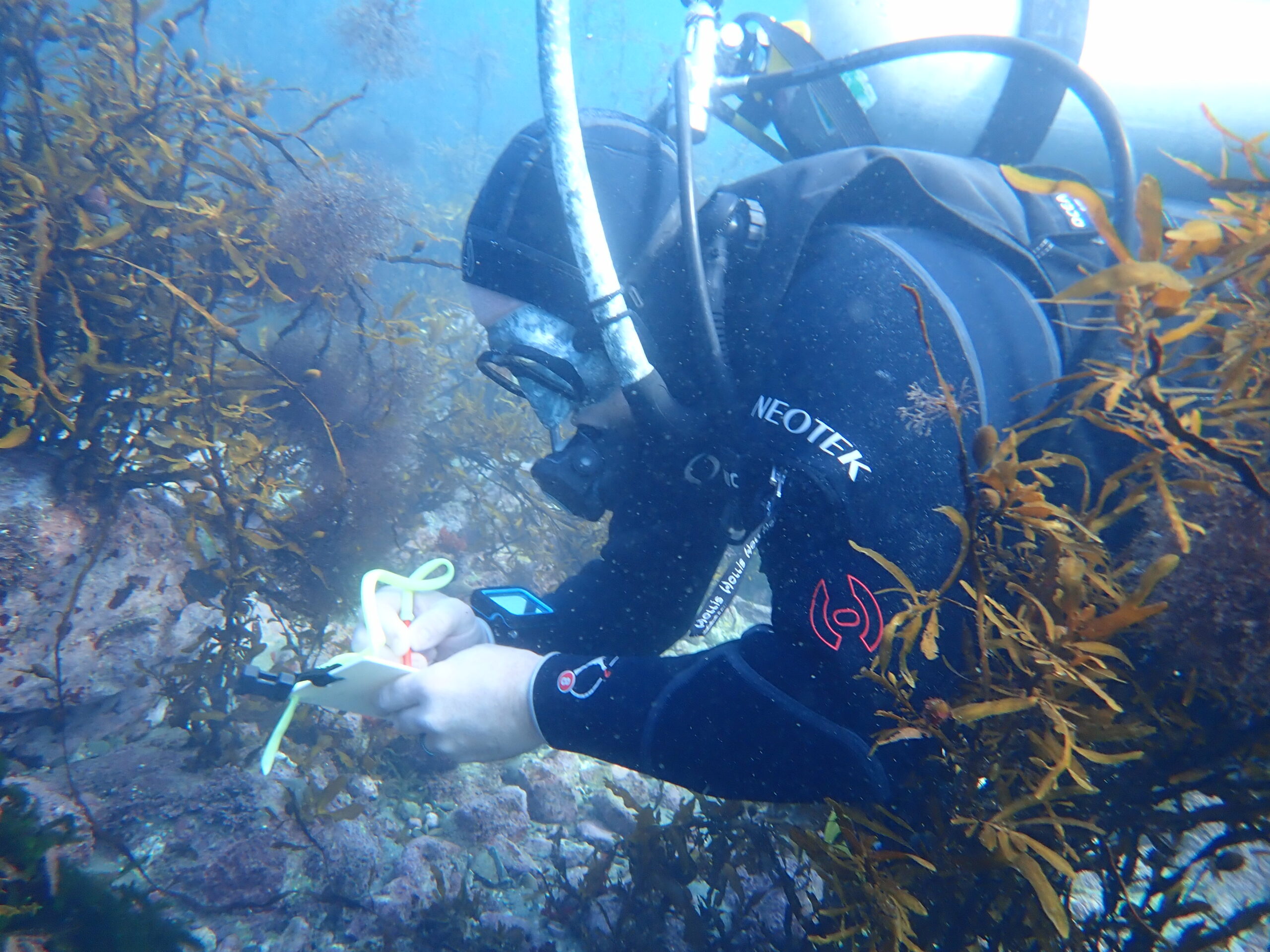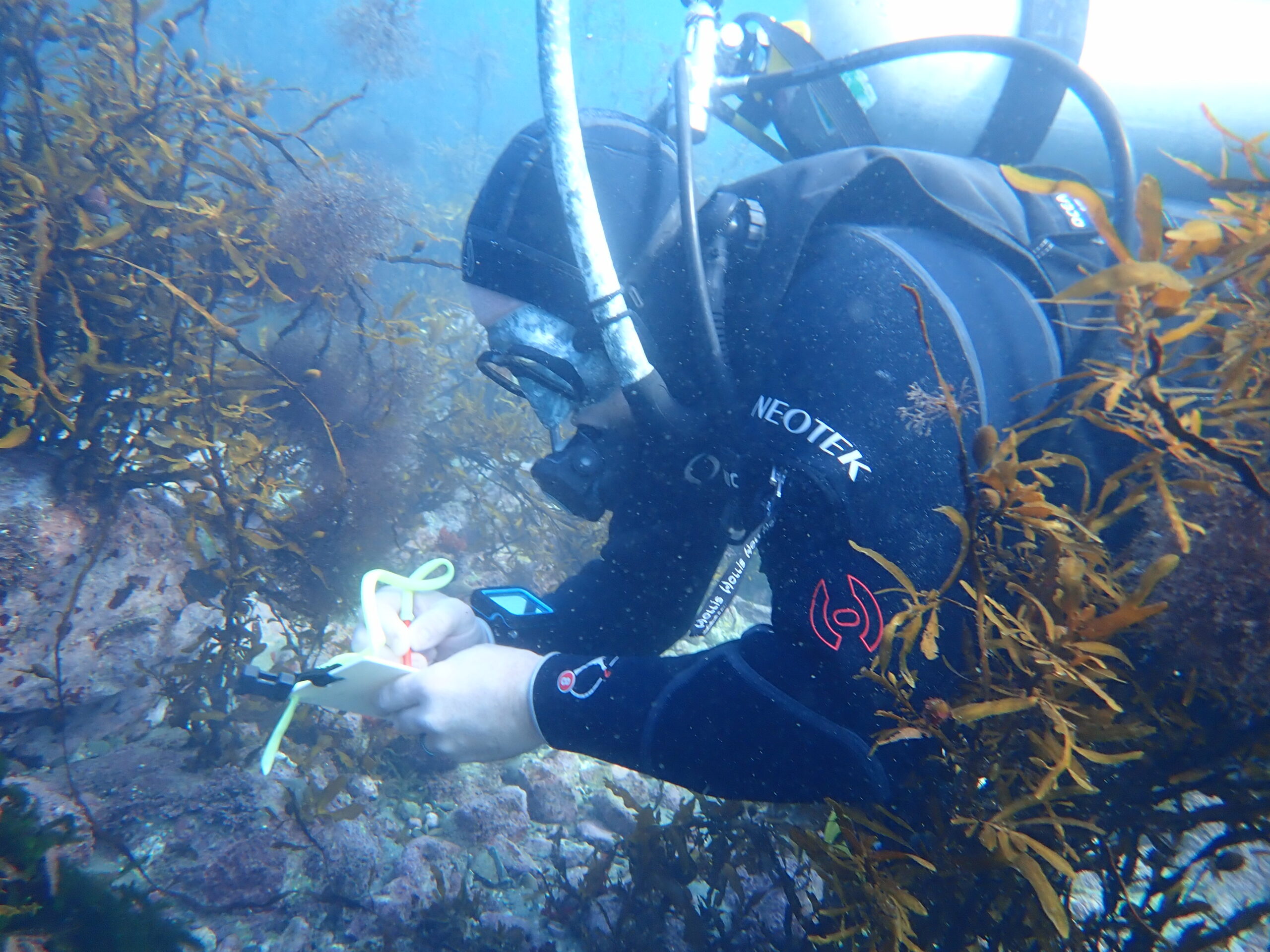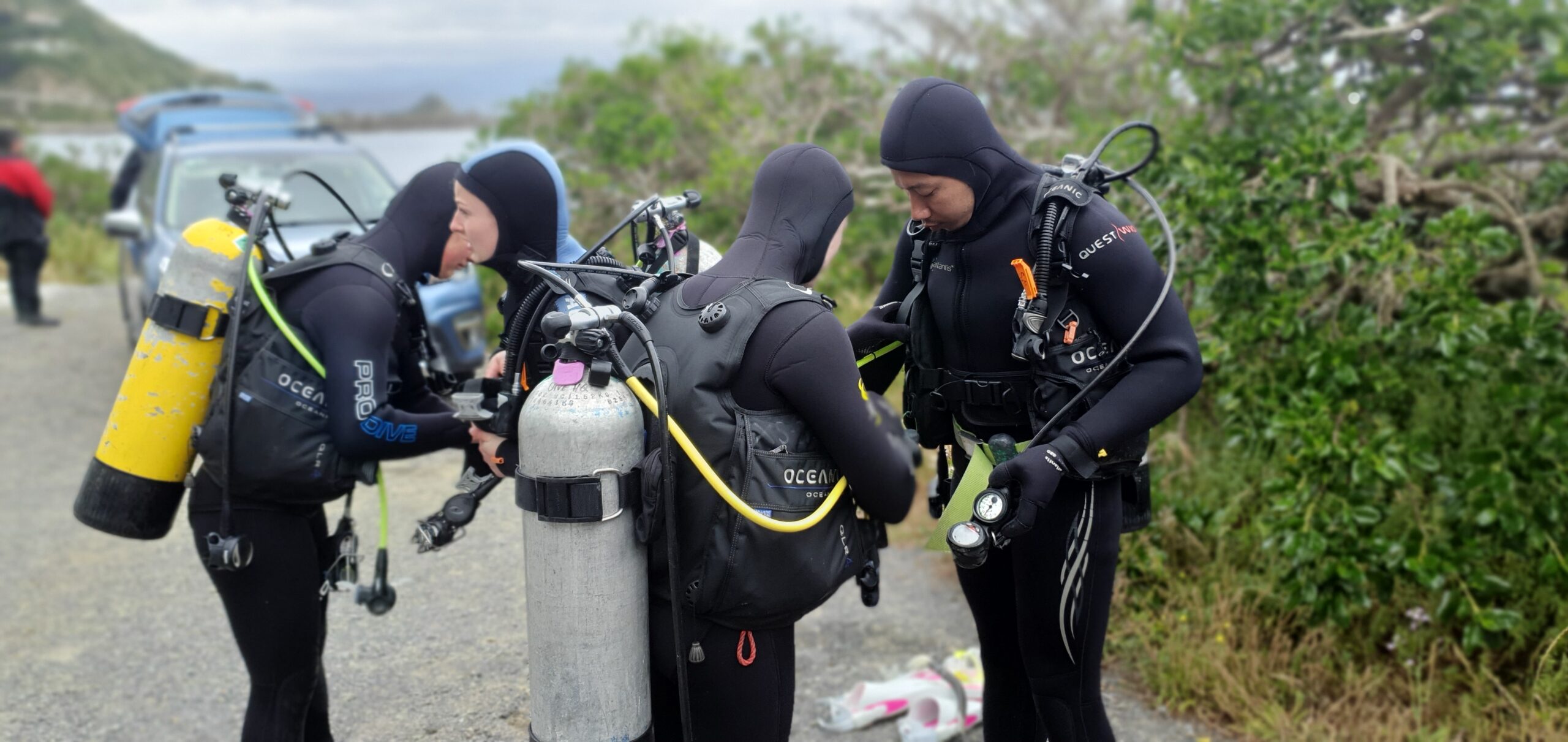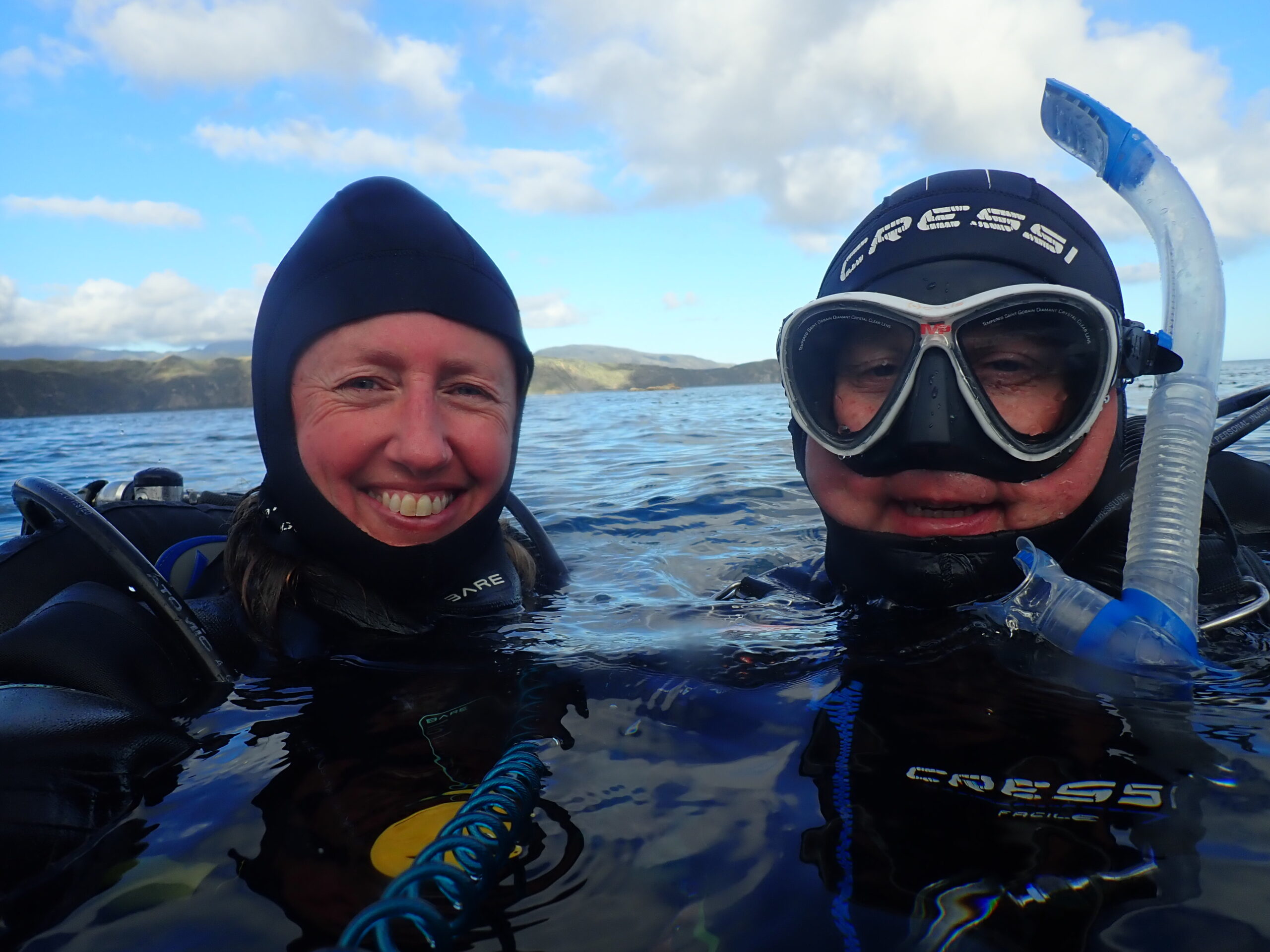
You arrive at the dive shop, sign some forms, organise your dive gear before heading to the dive site. Then the divemaster introduces you to your dive buddy for the day — a total stranger who is here for the same things you are: great diving and returning home safely.
The dive briefing you get before your dive usually describes the site, what you might see on the dive and the hazards you may encounter. It also sets the maximum parameters for the dive including your max depth & time, but these may not be appropriate for you and your buddy. You will need to create your own dive plan within these limits and your objectives. This is especially important when you are not on a guided dive.
So what questions should you be asking your new buddy to ensure you work well together, have a fun dive and stay safe.
What is your Dive Certification Level and Recent Dive Experience?
Without giving your new buddy the 3rd degree knowing their dive training & experience levels can create a safer dive plan that fits everyone’s limits and expectations. Discussing when & where you did your last dives can be a great way to determine what procedures to review before diving together.
What kind of diver are they?
Are they a hunter? A photographer? Are they happy just to chill and blow bubbles? Having similar objectives and expectations makes for a more enjoyable dive. Are they bringing a camera, a catch bag, a new piece of gear to try out? Ensure you both know the primary objective for your dive – returning safely. Photography, collecting kaimoana or reaching a certain target location should be a lower priority than finishing the dive without issues.
How are they feeling about the dive?
Are they excited or nervous? Are they in the right mindset for the current dive? Do they get anxious in low visibility, strong currents or sharks? Are there any medical or physical issues that may affect their ability to complete the dive?
Remember that during an emergency at depth, you are the first responder and may also be risk of injury should something go wrong. Create a plan, and contingencies, to reduce your risk – changing depth, direction & monitoring air can minimise the effects of many issues.
What is the dive plan?
Use the information you have discussed above and that included in the dive briefing to determine the objectives for your dive. Are you both on the same page about the 4 dive parameters – depth, time, direction and air limits? What roles are you both taking on – who is navigating? How confident are they with navigating?
Discuss your emergency procedures with your dive buddy so you both know what will happen if something does go wrong – out of air and lost buddy procedures in particular.
How are we going to communicate with each other?
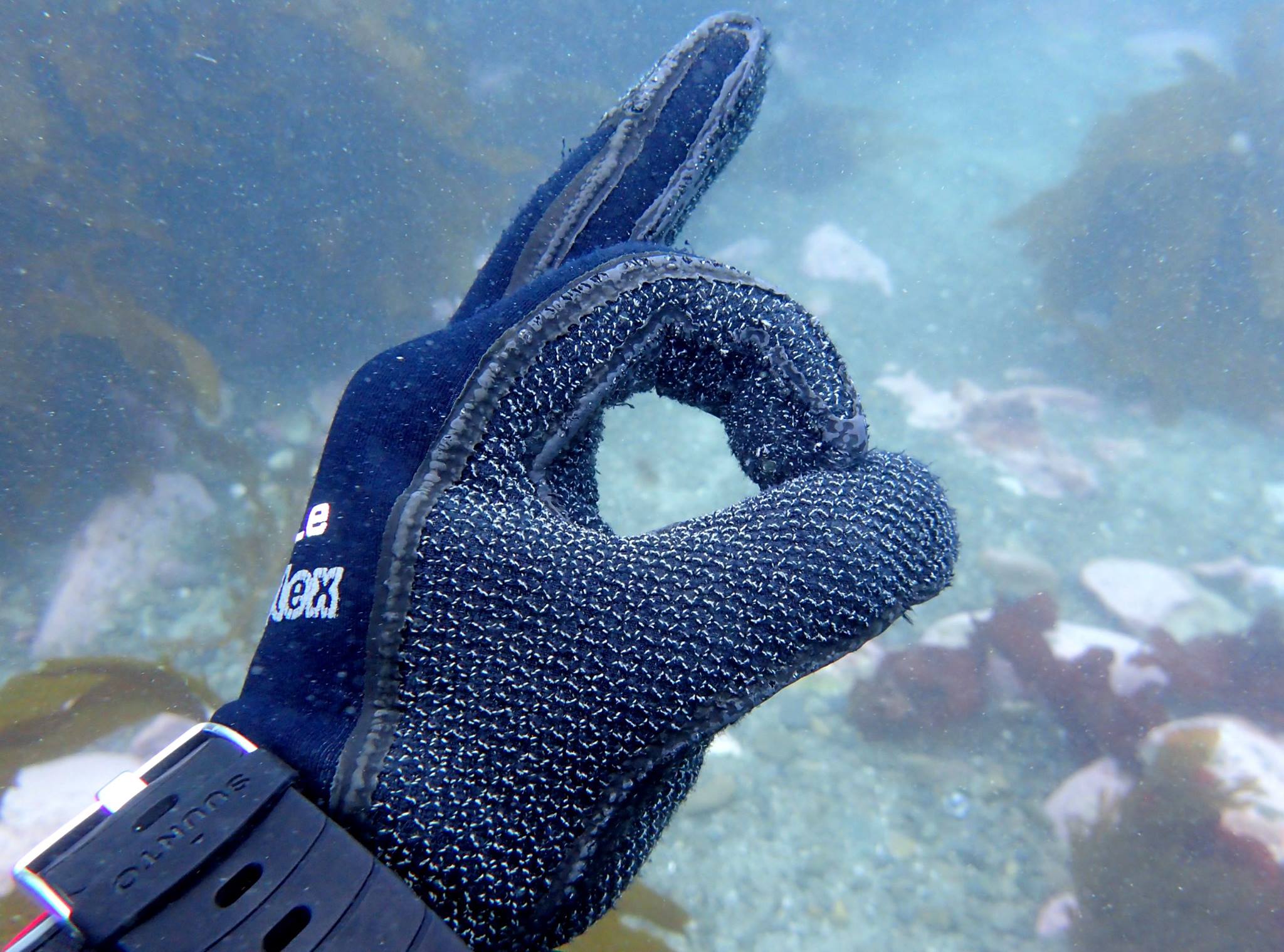
We’ve all been there – that frustration you feel when you dive buddy doesn’t understand your signals. Discuss the key signals you may use on the dive. Some signs are used worldwide but how do you ask and respond to ‘How much air do you have?’ or ‘It’s time to turn around/end our dive’. What if you want to abort the dive? How do we point out the special features, hazards or marine species that we may see on this dive?
How is your buddy’s gear setup?
Don’t forget the basics like a buddy check before you head to the water. Is everything in working order? How do you access their alternate air source? This is especially important if their setup is significantly than yours ie: they use sidemount or even a rebreather.
Do they have all the equipment they need to meet your dive objectives? Is there anything else you and your buddy can do to help each other be safe and ready for your dive.
NB: Remember that when it comes down to it, it is our responsibility to ensure our safety and the safety of those around us.