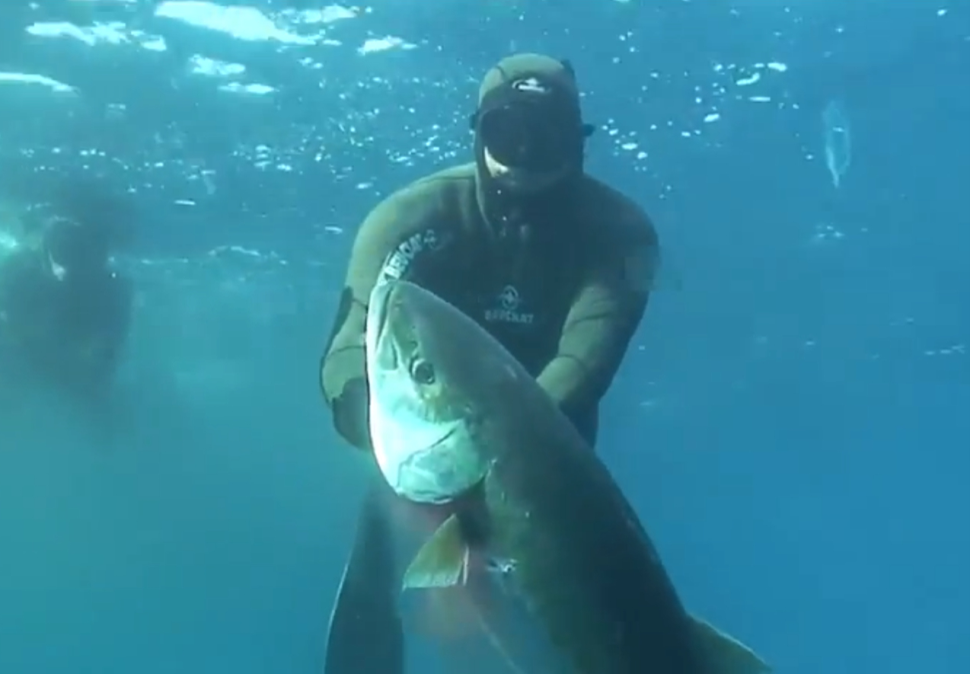
New Zealand, famous for its dramatic landscapes above water, hides an equally breathtaking world beneath the surface. From volcanic reefs to kelp forests and historic wrecks, scuba diving in Aotearoa offers some of the most diverse and pristine underwater experiences anywhere in the world. Whether you’re a first-time diver or a seasoned adventurer, the underwater scenery here is sure to leave you spellbound.
The North Island: Warm Waters and Marine Reserves
The North Island is home to some of the country’s most iconic dive sites. The Poor Knights Islands, just off the Tutukaka Coast, consistently rank among the world’s top ten dive locations. Protected as a marine reserve, the islands are teeming with life — from clouds of blue maomao and playful schools of trevally to moray eels, stingrays, and the occasional visiting orca. The volcanic rock formations create dramatic arches, caves, and tunnels, making every dive unique.
Closer to Auckland, Goat Island Marine Reserve near Leigh is perfect for beginners. It’s New Zealand’s first marine reserve and a fantastic place to learn, snorkel, or take your first scuba course. Snapper, blue cod, and eagle rays glide through lush kelp forests, offering an incredible introduction to New Zealand’s marine biodiversity.
Wrecks and Reefs
For those seeking something a little more adventurous, the Bay of Islands boasts the wreck of the HMNZS Canterbury, purposefully sunk in Deep Water Cove. Resting upright on the seabed, it’s now home to kingfish, nudibranchs, and colourful anemones — an ideal site for qualified wreck divers.
Further south, off the coast of Tauranga, lies another stunning wreck: the HMNZS Tui near Tutukaka and the HMNZS Waikato, both thriving artificial reefs that attract an incredible array of marine life. Exploring their corridors and control rooms feels like diving through history.
The South Island: Cold, Clear, and Captivating
The South Island offers a completely different kind of diving. Kaikōura is famous for encounters with fur seals, dusky dolphins, and even whales — and divers can often get surprisingly close to curious seals underwater. In the far south, Fiordland delivers an almost otherworldly experience. Rainwater stained by tannins from the forest creates a dark surface layer, allowing delicate deep-water species like black coral to thrive at accessible depths. Diving here feels like entering a submerged forest — eerie, quiet, and profoundly beautiful.
When to Dive and What to Expect
New Zealand’s diving season runs year-round, though the best visibility is usually between November and April. Water temperatures range from 15–23°C in the North Island and 8–15°C in the South, so a good wetsuit (or drysuit) is essential.
The Final Word
Scuba diving in New Zealand is more than a hobby — it’s an immersion into a thriving, protected marine world that mirrors the country’s wild and untouched spirit. From subtropical reefs to glacial fiords, every dive site tells a story of nature’s resilience and wonder. Pack your gear, take a deep breath, and dive into Aotearoa’s blue heart.